
Jun 25, 2022 7pm Deutsche Oper Berlin
Verdi: Les Vêpres siciliennes
Cond: Dominic Limburg, Dir: Olivier Py
Hulkar Sabirova (Hélène), Valentyn Dytiuk (Henri), Michael Volle (Montfort), Patrick Guetti (Procida)
(scroll down for English review)
看過《拿布果》及《雷恩齊》後,再看一齣序曲不時演奏,但全劇很少演出或錄音的歌劇:威爾第《西西里晚禱》,還要是原裝法文版。正是在前天看過以法國大歌劇為模的《雷恩齊》,《西西里晚禱》的劇情真是熟口熟面。13世紀西西里島被法國人統治,在總督Montfort縱容下,法國兵肆意強暴當地女子,激起民憤。反抗分子Henri被擒後又逃過一死,他不知道原因就是Montfort就是他親生父親。
導演Olivier Py把劇情移植到法國阿爾及利亞戰爭,本劇著名、但在意大利語版演出時也會被刪的《四季》芭蕾舞保留了一半。不過芭蕾舞團一早出場,女舞者就是以芭蕾舞者的形象出場,被男舞者飾演的法國兵蹂躝。近年好像已有製作做類似的東西,沒記錯的話應為Stefan Herheim,但他探討的脫離了劇情:19世紀法國歌劇團中的女舞者,其實就是有錢人的玩物。而Py的阿爾及利亞移植,其實沒有真正觸及阿爾及利亞爭取獨立時,法國使用的酷刑及屠殺策略,我覺得這個詮釋太過牽強,又不像Herheim想去一騷癢處。
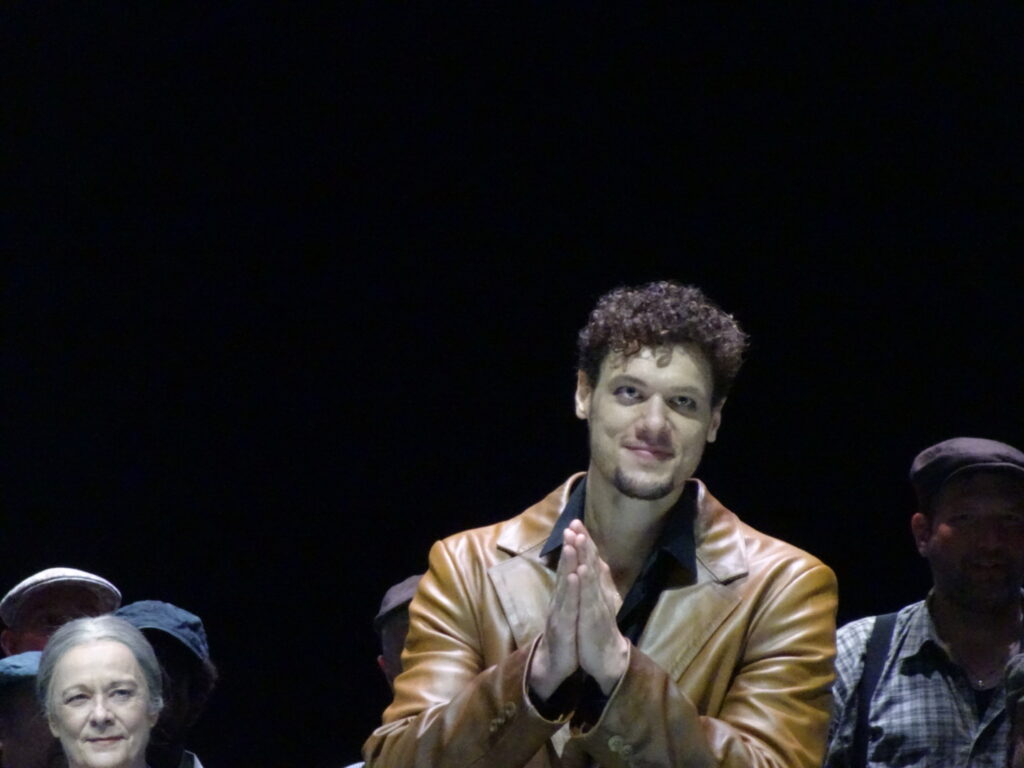
四位主角佔據了三小時劇長很多篇幅,三男一女的配搭,和《Simon Boccanegra》(香港藝術節譯作《父女情深》)一樣。今晚這四位歌手我只聽過及認識Michael Volle,今晚他算是難得的最佳狀態,聽慣威爾第的,可能覺得他太華格納,但我覺得根本沒有問題。另外兩個男的,真是令人喜出望外,首先要提是飾演Procida的Patrick Gueffi,真是一把像極俄羅斯重量級、超低音的Basso profundo,一時間有點聽不慣,但愈聽愈過癮。主角Henri是男高音Valentyn Dytiuk,起初我還是用威爾第男高音的標準去聽他,聽着聽着才發覺已經不只唱到一般威爾弟主角,他高音的質感略尖,但非常有力,令他也既可以唱法國歌劇,某些美聲意大利歌劇也綽綽有餘。Florez的高音開始跌watt後就是想轉型成這種男高音,還遠不及Dytiuk呢。唱女主角Hélène的Hulkar Sabirova,一來開聲開得很遲,頭一小時還令我以為她是唱女中音的配角,二來她進入狀態後,連其餘三個男人也唱得更好了,還是追不上了。
但對一般威爾第劇迷來說,這齣《西西里晚禱》大可能令他們很困惑。沒有《弄臣》、《茶花女》等劇的名曲,又不像後期一點的《阿伊達》、《奧塞羅》這麼爽快利落,再高階一點的,又未及《Simon Boccanegra》那麼像戲劇,就只是唱唱唱,詠嘆調、二重唱很多又很長,卻是沒有hit歌。
這一點,我思疑就是威爾第太想入鄉隨俗,寫這種識聽就會非常過癮的長場面,不過法國人又不受,就如他在十多年為巴黎寫的《卡洛王子》原版一樣。看完這次《西西里晚禱》,我的理論是威爾第自己捉蟲,因為法國人邀請得威爾第,應該就是喜歡聽他的hit歌,你卻來寫十分鐘的詠嘆調!但有今晚這三個極好的男歌手,自己也聽多了不同風格的法文或意大利文歌劇,這齣劇應該成為了我另類威爾第之選的第一名。
Possibly a continuation of their Meyerbeer series, Deutsche Oper Berlin presented this French version of Verdi’s Sicilian Vespers in the 21/22 season, and I just saw the last show of the run. Director Olivier Py set his version in the Algerian War, a traumatic experience in French history because of the atrocities from the French side. Py struck an equal sign between that and the unchecked rape of local women as depicted in the opera. Py allowed 10 minutes of the ballet to be tagged before Act 4, and that was the beginning of the second half of this production. Yet the ballet troupe was already present in the first half, and the overture as well. The female dancers were dressed as ballerinas, and they were women to be ravished by the French soldiers portrayed by the male dancers.
But I was entirely unprepared by the vocal fireworks by the four leads. Three males and one female, very reminiscent of Simon Boccanegra, but not as vocally taxing as this one. Of the three males, I’ve only known Michael Volle (Montfort) and he was in top form tonight, something you can never take for granted from this singer. Verdians might feel he’s too Wagnerian, but I don’t mind a bit. The bass and the tenor were completely new to me. Patrick Gueffi (Procida) sounded as if he’s that kind of Russian basso profundo who sings all those impossible bass notes at a high volume. And Valentyn Dytiuk (Henri) manifested his versatility in his smooth phrasing, shiny tone and shattering top notes. I believe he has the skill set for most Verdi lead roles, some bel canto roles, but most of all, French operas from Meyerbeer to Gounod. Soprano Hulkar Sabirova (Hélène) took too much time to warm up her voice, and when she did get to a satisfactory level, the guys have also got better too. It’s not that Sabirova was bad or ordinary but that the three guys were simply too damn good.
This is Verdi as his most unusual, those who admire Verdi for his classic tunes would be confused by all those lengthy arias and duets. If you’re a fan of singing and not of tunes, you’d definitely enjoy this opera as much as I did, provided the cast is appropriate. I’m very tempted to place this opera on the top of the list of Verdi for connoisseurs.