
Jun 2, 2022 Elbphhilharmonie Hamburg
Semyon Bychkov / NDR Elbphilharmonie Orchestra
Mahler: Symphony No.3
Wiebke Lembkuhl (contralto), Berlin Radio Choir, Hannover Boys’ Choir
(scroll down for English review)
連聽了三晚26歲指揮,今晚聽70歲的比契科夫的馬勒三,他指揮主場樂團:北德電台易北愛樂廳樂團。比契科夫只是客演,但他和自己的捷克愛樂開始了馬勒全集的錄音,他也和過去執掌的科隆西德電台交響樂團推出過一張馬勒三的錄音。
果然是有比較就有傷害,雖然一個是西貝流士,另一個是馬勒,不過,四管制的馬勒不至於比只用雙管的西貝流士複雜一倍,而且這隊是主場樂團,奧斯陸只是作客,繼續列出條件秤下去也很無謂,因為兩隊樂隊的音色以及紀律聽起來相差得太多了。我在第一樂章發覺到這個優秀音樂廳,對樂師也可以是心理負擔,長號獨奏及小號獨奏都好像惶惶恐恐的。不過我逐漸把責任歸咎於指揮身上,他把樂隊抓得太緊,但緊得來卻不見得精準,個別聲部帶着懷疑地奏,總體聲響往往求其抄埋一碟。
然後我留意到比契科夫跟麥凱萊有一個大分別,小伙子的拍子是before the beat,老師傅不但是on the beat,拍子更想追求圓滑,說難聽點就是圓得來又難跟。我當然不是說on the beat就是差,而是比契科夫令這隊樂團奏出很不肯定的聲音,而且他的速度偏慢,所以倍加沉悶。
只有第六樂章(即是最後的慢板)我感到滿意,比契科夫用頗低的音量,但很着重要清楚聽到旋律。我開始感覺到樂隊終於真正入到他的beat了,而且比契科夫在這個樂章不用指揮棒,拍子繼續圓渾,但樂隊少了很多思前想後。真的不敢教70歲大師指揮,但在同一個音樂廳、甚至是同一場就是聽到這麼大的分別。(還是要補充一句,相隔兩年半能再聽到過百人、不用減人或社交距離的馬勒,也是要感恩的。)
純為紀錄:第二及三樂章後都有不少觀眾拍手。
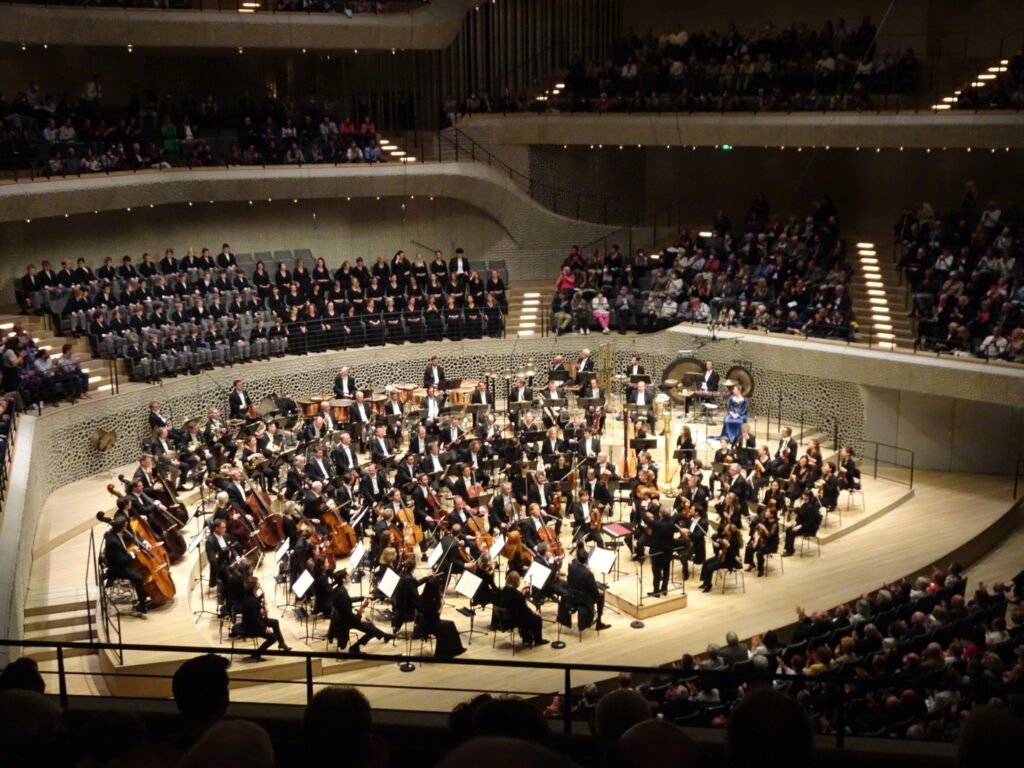
After three nights listening to the young Finn, here’s Semyon Bychkov guest conducting the home orchestra. I’m very grateful to have the chance to hear a full-scale Mahler performance after more than two years but I also hate to say that the excellence of Mäkelä and his Osloers diminished the worth of this 70-year-old master in my mind. The home orchestra sounded simply so unsure and unkempt in comparison to the flawless virtuosity of the visiting Norwegians.
I’d like to attribute the difference to the conductor’s beat. Mäkelä was obviously ahead of the beat, but Bychkov conducted on the beat and to make things worse, he deliberately rounded out his beats. I’d never suggest that “before” is better than “on”, but the results were proof that Bychkov’s beat hampered the Hamburgers. The NDR orchestra at last regained confidence in the final adagio. Bychkov started with very soft dynamics but he ensured the melody was properly articulated. I felt the players finally settled into his beat because Bychkov put down his baton for this movement. I’d never suggest how Bychkov should improve his technique but the results did show an obvious difference and a similar case could be found in Herbert Blomstedt who gradually conducted batonless in his ninth decade (now in his tenth).