
Jun 9, 2022 8pm Philharmonie Berlin
Kirill Petrenko / Berlin Philharmonic
Schulhoff: Symphony No.2
Leone Sinaigaglia: Romance, op.29; Rapsodia piemontese, op.26
(Noah Bendix-Balgley, violin)
Zemlinsky: Lyric Symphony
Lise Davidsen (soprano), Christian Gerhaher (baritone)
(scroll down for English review)
K佩特連高這場的三位作曲家,都是被納粹逼害的猶太作曲家,一人病死在德國監獄(Schulhoff),一人被捕時心臟病發死亡、免卻集中營或毒氣室之苦(Sinaigaglia),最後的哲林斯基老年時倉皇逃到美國過最後四年的人生。
開場的Schulhoff《第二交響曲》是四個樂章、共約20分鐘的作品,當中的弦樂,佩特連高用了28人。我看此曲和普羅歌菲夫《古典交響曲》可以成為一對,Schulhoff似是以莫扎特和爵士樂融合,不過從配套的角度看,此曲要用上中音色士風以及班卓琴,樂團未必想為此曲增加成本。至於佩特連高的指揮,我覺得把節奏及樂隊的發音壓得太緊,太要絲毫不差,連音樂感、歌唱感都壓死了,我不認為作曲家想要那麼乏味的演奏。
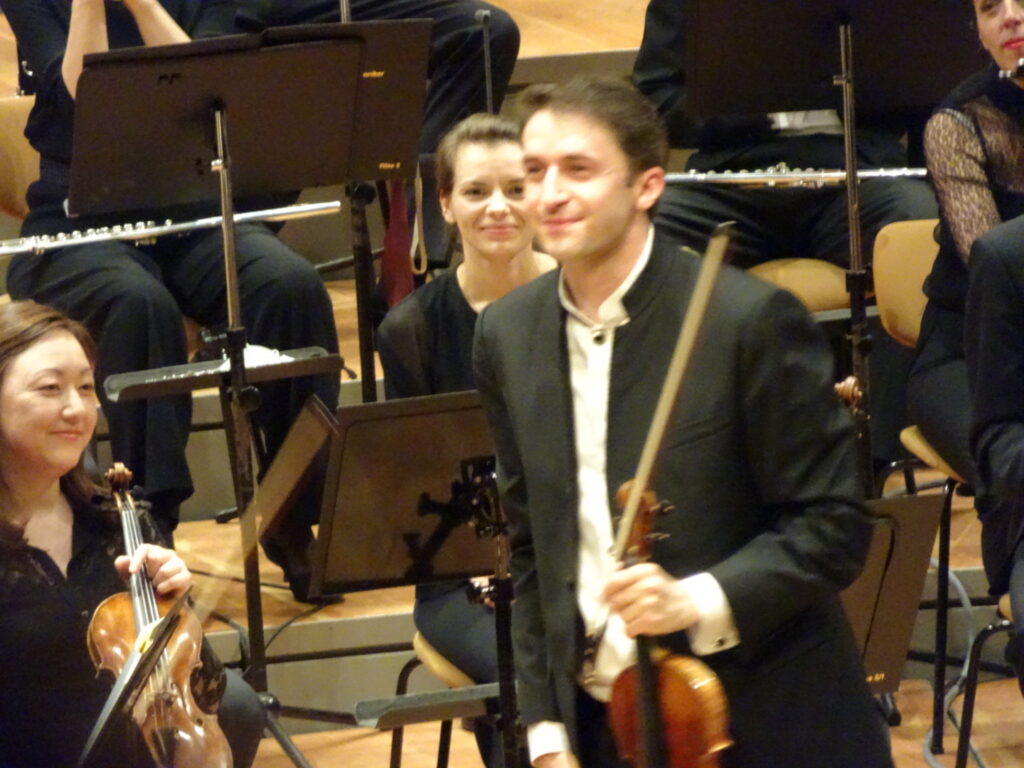
Sinaigaglia是意大利作曲家,於19世紀末在維也納學藝過幾年。《浪漫曲》及《皮埃蒙狂想曲》都只是很短的小提琴樂曲,由樂團首席之一Bendix-Balgley擔任獨奏。兩首作品我覺得都是過目即忘,我對Bendix-Balgley亦不滿意,我覺得他太追求無縫的琴音及分句,旋律沒有斷但就沒甚麼歌唱感。香港朋友聽過他和小交的演出,但我早在他仍在做匹茲堡交響樂團的團長便聽過他拉《英雄的一生》,驚為天人,同年他便被柏林愛樂招攬。事隔好幾年,我感覺他好像學壞了手勢。
下半場哲林斯基《抒情交響曲》的獨唱實在是鑽石陣容,葛哈爾加大衛臣,都是力拔山河的強人。葛哈爾似是故意安排好先後和蒂利文(德累斯頓)及佩特連高唱此曲,但假如他想錄碟的話,由蒂利文指揮的機會較大,因為柏林這邊的合約問題會較麻煩,大衛臣又是Decca藝人。
實在感謝迪華特當年在港樂介紹此曲,以前我還覺得此曲即是《大地之歌》的印度版(全部的詩都是泰戈爾作品),現在卻覺得更接近荀伯格《古雷之歌》。我比較意外,但想起來又不大意外的,是佩特連高只用50人弦樂,沒有用盡弦樂人數,但始終此曲可以很吵,蓋過歌手就不好了。不過這兩位都夠重炮,應該不怕吧?
葛哈爾絕對不負所望,他用盡聲音去表露男聲的狂戀,逼力真可以和《大地之歌》採用的華格納男高音相比,而現場聽又不像聽錄音般,會質疑是否靠混音推高音量。初聽大衛臣,也是在柏林愛樂廳,聽她唱《最後四首歌曲》、梅塔指揮,令我驚覺過去聽那首作品,無論是唱片或現場,都是白聽。這次則驚艷不在,第六樂章的力量雖然仍然驚人,但卻是要出蠻力逼出來,最走樣是弱音,三年前她可以又細聲又長氣,然後慢慢打開,愈唱愈有,這晚都聽不到了。她在疫情早期便中了招,我傾向相信她被廢了一點武功。
至於佩特連高及樂隊,我最欣賞是銅管夠膽去盡,此曲的銅管其實不算很大,但選擇讓他們這麼爆棚是大膽而正確的決定。反而是弦樂,我覺得真的不用省那十個人,若然弦樂聲音再厚點,我相信才是理想。絕對不是說這場演出不好,或不夠好,只是我對這組合期望很大很大很大,感覺未曾用盡而已。順帶一提,聽時不覺得快,完場看錶才發覺差一點才40分鐘,和其他錄音相比快了很多,就如幾年前在慕尼黑聽佩特連高《名歌手》,埋單計數才知他快人很多,只是四小時多幾分鐘。
In this concert Kirill Petrenko showcased three Jewish composers who were persecuted by the Nazis. He opened with Schulhoff’s Second Symphony, a delightful mix of Mozart and jazz. I sincerely considered it to be a perfect coupling to Prokofiev’s Classical Symphony but I understand the exotic additions of an alto saxophone and a banjo would incur extra costs. Petrenko already used a much-reduced string section (28 in all) but he held back the strings too tightly, staccatoing everything to a lifeless staccatissimo, sucking the song and joy out of this piece.
Leone Sinaigaglia was an Italian composer who studied in Vienna around 1900 and the two pieces featured here were played by this orchestra’s Bendix-Balgley, one of its leaders. Very short pieces they were but I don’t want to hear more. I suppose I also have to blame Bendix-Balgley for his overdone smooth bowing and wide but mechanic vibrato. I first heard him when he came to Berlin as the leader of the Pittsburgh Symphony, soloing in Ein Heldenleben. I was dazzled to find such talent in that orchestra. Soon he was snatched by the Berlin Phil to this post. Almost a decade in Berlin might have compromised his playing to a dull perfection.
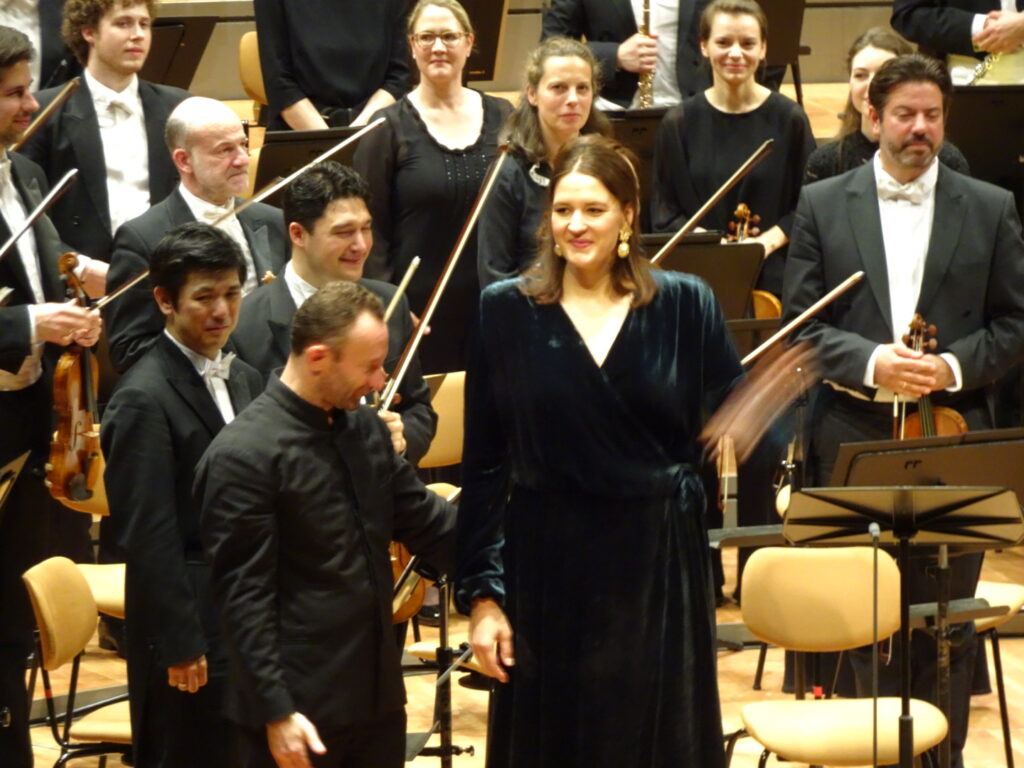
Zemlinsky’s Lyric Symphony was here sung by two of the greatest singers in our time. Gerhaher, god of the lied and Davidsen, perhps Nilsson reincarnated and I heard her sing Four Last Songs in this very hall. I was blown away. Here in Zemlinsky Gerhaher didn’t disappoint, even exceeded my expectations when he portrayed this love-crazy man, and braving the onslaughts of the orchestra.
But Davidsen was a letdown. Yes she could still do frightful outbursts in the sixth movement but now they were squeezed and forced. She no longer has that non-stop, meandering yet penetrative pianos. Three years ago she sounded legendary. Now to me she was just good. Forgive me for saying so but I tend to believe her catching the pandemic at its early stage did her voice irreparable damage.
As for Petrenko and the Berlin Phil, I especially admired the powerful brass in the Zemlinsky. It really took much nerve for a conductor to let them loose, without fear of looking ridiculously over-the-top. But I had reservations of him using only a 50-strong string section. The string sound should have sounded thicker, in my opinion. Although the whole thing still sounded powerful enough, I don’t think the audacity of the piece really came through.