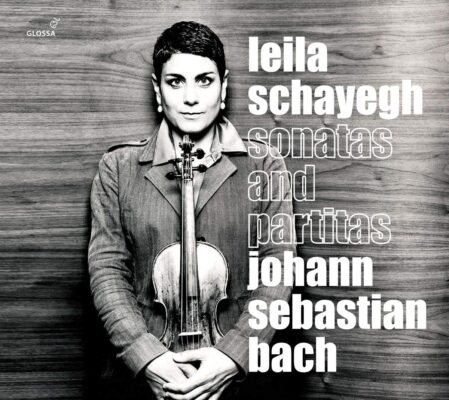
Bach: Sonatas and Partitas for Solo Violin
Leila Schayegh (violin) (Glossa)
(scroll down for English review)
Leila Schayegh是原音小提琴家,錄了幾張較邊緣的古樂曲目,終於來到巴哈無伴奏。假如最關心或只關心兩首大曲:夏康舞曲(軌21)及第三奏鳴曲的賦格(軌23),你會聽到很爽快精準的演奏。在夏康舞曲,她一如大部分原音小提琴家,在琶音部分不會採用現代小提琴家多數採用的Carl Flesch奏法,只會跟着巴哈的例子去拉。至於賦格,她如履平地,尤其是很保持到2/2的節奏,和弦多棘手都不會影響到她。
不過無伴奏巴哈這麼多,始終也要用高一點的標準去聽,否則就和張張都聽得下去就沒分別。我覺得最可以用三首奏鳴曲的第一樂章(緩板或慢板,分別在軌一、13、22)說明我覺得有所欠缺的地方,她將16、32、64分音符的長度拉得太準,失卻了這些寫了出來的裝飾音的即興感。在速度、音量、造句上,我覺得她主要是在宏觀上做變化,即是一個樂章內不同段落才去變化,一句、一拍、一弓的微觀變化反而不夠,既然她已用了頗快的速度,其實已容許更多拉長的空間。總體上的印象,我覺得她是拉太熟、滑了牙。
After several discs on more obscure Baroque repertoire, Leila Schayegh (HIP violinist) finally arrived at Solo Bach. If you’re only concerned with the two grand pieces: the Chaconne (track 21) and the Third Fugue (track 23), these were crisply and precisely played. Like most HIP or HIP-ish violinists she just followed Bach’s example during the arpeggio sections. As for the Third Fugue she was able to maintain a strict 2/2 rhythm without being tripped over by the chords.
But one must take a higher standard or all Solo Bach offerings would be equally merited. I’d pick the slow first movements of the sonatas (tracks 1, 13, 22) as the targets of my discomfort. To me Schayegh played the 16th, 32nd and 64th notes too precisely in terms of duration, so these improvisatory or ornamental short notes have lost their spontaneity. As for tempi, dynamics and phrasings, Schayegh strived to vary them only in reference to the structure of the movement, but I wish she could allow more micromanagement within one phrase, one bow-stroke or just one note. Since her tempi were already swift there was plenty of room to stretch a bit. She showed that she achieved mastery of the technical demands but I felt a lack of challenge and strive.