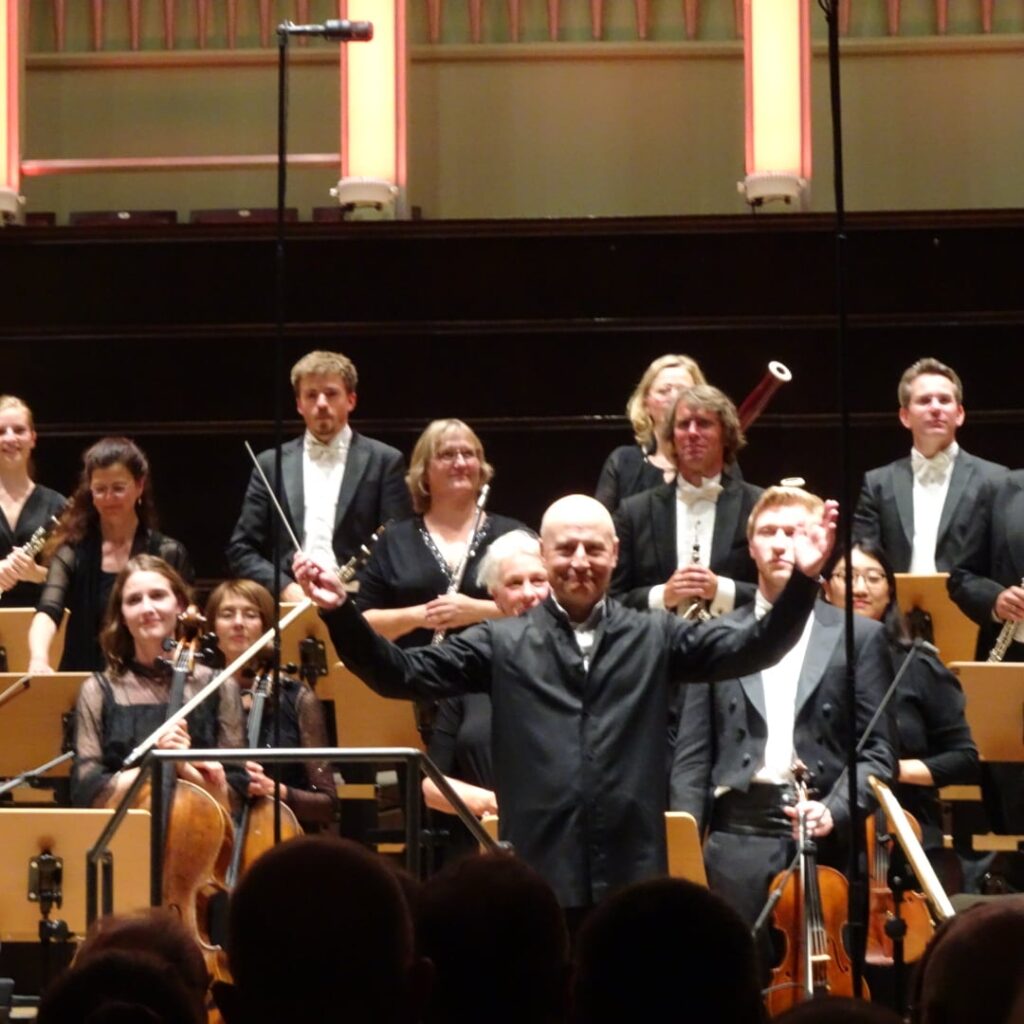
Jul 4,5,6,8 2022 8pm Die Glocke, Bremen
Paavo Järvi / Deutsche Kammerphilharmonie Bremen
Beethoven Symphony Cycle
(scroll down for English review)
(第一場:一二三)
從南德的慕尼黑坐八小時火車來到北德的不來梅,看P約菲和不來梅德意志室樂團的貝多芬交響曲全集。節目本來在2020貝多芬年的11月舉行,作為不萊梅音樂節(八月尾至九月初)的延伸節目,延期到這刻終於能夠舉辦,則變成今年音樂節的熱身節目。在澳門聽過同一配搭演出貝多芬一及三,之後他們便上了北京奏全集。這次反而是他們首次在主場一口氣奏全集,之前(十幾年前)是逐首來奏及錄音,也成為了P約菲成為一線指揮的轉捩點,因為他用原音派的速度,把樂手的技術要求推至極限,當時無論大樂團、室樂團或古樂團都難以追上。
那場澳門演奏,只是依稀記得第一一般,覺得名不副實,但下半場的第三就截然不同。但既然當時我沒寫下文字,澳門文化中心的音響也偏乾,我還是盡量把記憶抹掉吧,專注談這場一二三的感受。這也是我自五年前在不來梅音樂節看過一場Currentzis、一場特霍洛夫為格納伴奏的藝術歌曲之夜後重臨舊地。
上半場只用了約三十人弦樂,下半場每個弦樂聲部好像多一人。聽完上半場的第一及二,都有雖不差但不算好的感覺,原本都想好了怎樣形容,但一到了下半場的《英雄》,又要像粉筆字抺掉,上半場根本在留力,就應驗了開始下半場前,一位德語伯伯說的一句:「吃完頭盤,上正菜了」。第一樂章感覺頗快,比上半場明顯快得多,當然是用一小節一拍去奏,但這個演奏令我更明白在某些曲目計時(儘管是粗略)的話,往往會有意外發現。
一二三的演奏時間分別為25、34、49分鐘,包全部重覆奏。不是說原音派嗎,為甚麼都要這個時間的?我是知道第一及二不算奏得快,但到《英雄》第一樂章感覺頗快,但都用了17分鐘就知有蹊蹺。我上個再上個的現場《英雄》,是P約菲離開了的東京NHK交響樂團的演奏,不過指揮是布倫斯泰特,是2019年,他當時都92歲了。他在數年前也上了原音派的車,但正確來說只是貝多芬拍子機讀數,未去到講究不揉弦之類。但那次的演奏都是全包重覆奏,一共只是45分鐘,很典型的原音派速度,不過聽來卻很從容,更好像用足60人弦樂,不是60也至少有50人。所以把P約菲和布倫斯泰特比較的話,P約菲是實則不快,但聽來很快,布倫斯泰特正好相反。至於P約菲的聲音為甚麼會這樣,就等我聽下去再說吧。
(第二場:四五)
P約菲貝多芬全集第二場,最短的一場(只有四五),亦是賣得最差的一場,假如因此放過的觀眾,可就走寶了,比前一晚更精彩。
舒曼把第四形容為兩個北歐巨人(三及五)之間的希臘美女,聽完P約菲的演奏,我更覺得舒曼胡說八道。要不他沒聽過一個好的演奏(當年的樂隊技術仍未追得上貝多芬的要求),要不就是他看着樂譜,都領略不到貝多芬的意圖。第四當然沒有《英雄》那麼浩大,但肯定比它刺手,這次全集演奏,我很欣賞是九首順序演奏,不會因為票房或者體力考慮,把次序搞亂,例如第一場奏一二五、第二場四三之類,不只看到一至九的歷程,聽了頭五首,令我覺得貝多芬每寫新一首交響曲,要不更大型更有野心,要不就找新的方向(其實都是野心),不會有褪色跌Watt的情形,假如是一場之中先奏第三、再奏第四,有P約菲這種演奏,也絕不失禮或失衡。
又可以從第四補充一些約菲的詮釋共同點。他的強弱反差很大,或者室樂團的編制,令到弱音部分可以較平常便做得出,大樂隊想細聲而不模糊,其實不比大聲容易。然後約菲的accent、切分音節奏做到很足,我心想要有,但一直聽不到指揮敢做的,約菲夠膽做,甚至超額完成,這些都體現到貝多芬就算把相同音符或段落重覆,也會在其他方面作出變化,造句就是其中之一,約菲便做得出來。
昨晚坐堂座中間(18行),這晚坐堂座,看清楚一點舞台,終於數到弦樂數是想較薄時28人(8-7-5-5-3),想較厚時33人(9-8-6-6-4),但這個人數便足以做出《英雄》及《命運》的巨響,實在厲害。剛才第四及《命運》的演奏時間同是34分鐘。《命運》的開頭,是我現場看過指揮打拍子最有自信(有些指揮故意不等觀眾拍完手,其實有偷雞成分)、樂師也奏得最狠最準的開頭。說起來,應該沒有幾多個指揮及樂隊組合,有近20年的夥伴關係,並以貝多芬作為首本名曲。回到上次談的心理速度及實際速度問題,這次發覺P約菲果然是會愈奏愈慢,但假如很全情投入聽,是不會發覺,更重要是,這種減速即使觀眾未必感覺到,卻是指揮有意識的,音樂也是愈來愈濃。貝多芬的拍子機讀數,P約菲會在開頭跟隨,確立了應有的勁度、節奏、造句後,再逐漸容納更自由的詮釋。基本上第一、二樂章已經這樣,但終曲最為明顯。
當年我很討厭梵志登在這個終曲中衝得太快,去博取廉價的刺激。這次P約菲一開始終曲時竟然也像梵志登。是我怪錯梵志登嗎?不過這一段在重覆奏時,約菲已把力度收細。之後約菲卻不是繼續把音樂升溫,反而是我剛才所說的,將節奏逐少放鬆,但accent做得更足,音符呼吸得更多,愈來愈有搖曳的感覺,所以去到結尾,音樂愈來愈豁然開朗,但不失活力,而終曲開頭的暴戾已轉化成歡樂,是一場舞蹈(就像《田園》終曲),不是梵志登的騎兵突襲!雖然我現場看過三個大指揮的貝多芬全集,卻很少聽到其他大指揮獨立的《命運》演奏,加上外團訪港也絕少選奏《命運》。而這個《命運》就是我聽過最好、最開眼界,就連結尾的和弦連珠發,我也想不到可以做出這麼多的抑揚頓挫。
(第三場:六七)
第三晚又回到堂座聽,上半場《田園》秉承前兩場要熱身的習慣,第一樂章相對平凡(相對,因為昨晚實在太…),但去到第二樂章就令我感覺到,這條小溪並不是一條直線,只有一個速度的流動,恍似坐在船上一路向前,有時轉彎,有時較平靜。即使P約菲打的是四複拍,但為了令木管可以悠揚地歌唱,有時他會拆開複拍,於是這些木管旋律,一早就有鳥歌的味道,不用等到最後的「擬聲」段落。暴風雨是一如意料的準繩,行雷閃電下下到肉,而樂隊卻不是亂奏一通,很有音樂感。終曲就如同昨晚《命運》的終曲一樣,愈奏愈搖擺。
《第七》開頭的和弦,真令我嚇一跳,又齊又響,更不是只得那一下,基本上整個引子都是超響和弦連珠爆發,33人弦樂,比60人更有力。這裏正好要帶出P約菲另一種本領,就是有智慧地持音,真正需要強調的accent或巨響,他會確保弦樂用夠弓、用夠力,為此他會將就速度,出不到效果不罷休。就是為甚麼他往往在一個樂章愈奏愈濃時,速度會稍微放慢,但全部都化作更大的能量。進入活板後,本來覺得稍為單調,但逐漸覺得P約菲維持到又響又乾淨的弦樂,又可以有略帶不同的濃度,殊不簡單。他盡量把四個樂章連在一起,一氣呵起,其實不只是保持演奏那道氣,最重要還是觀眾那道氣,觀眾一放鬆了就會亂動、不集中。他這個行板,我覺得是少有既能奏出貝多芬想要的速度,又能做出具呼吸的歌唱的演奏。終曲本來也好像很簡單,又是慢慢發覺到指揮在每次重覆,都會微調速度,奏出稍異的質感,去到後半,卻會在段落之間,跳到慢一截或快一截的速度,結尾既做到加速、聲音亦能穩步向上,真正令人窒息到結尾。演奏時間為《田園》43分鐘、第七40分鐘,後者是真的奏完所有重覆奏,包括諧謔曲那些。
(第四場:八九)
來到P約菲貝多芬全集的壓軸,第八及九。我相信100%的人都是最關心第九,但我最喜歡第八,不過自從第一場的第一二三,我都明白P約菲已不再堅持用貝多芬那種速度,但至少會吸收到用那些速度的節奏及造句。只是上半場效應又再出垷,演奏頗欠力水,我更覺得P約菲太專注玩accent,是給他玩到別人忽略的,但整體就欠缺了重量及前進動力。第二及三樂章他分得出鬆(前者)及緊(後)兩種質感,太多指揮,無論是原音還是非原音的,將兩者奏到太相似。終曲當然沒用貝多芬那種玩命速度,但我很高興約菲肯照貝多芬指示用一拍去數(樂譜名義上是2/2節奏),就是這樣去數才會快速而優雅的感覺,才不會一味是快。可是,我又嫌約菲不夠快,奏得太安全,要再強調他已做到九成(如果把死了的都計就是99%)指揮不願做的事。但換個角度來看,他用這個常規樂隊都能應付到的速度,做到樂曲應有的造句,其他指揮及樂隊再沒理由說,貝多芬太快了,我們不會跟的。
第九的獨唱陣容,除了女低音外,其餘三位都是我認識的星級獨唱,女高音更在我旅途第一場的《創世紀》聽過。就是合唱團較次級,但至少從不會蓋過樂隊,亦不會死命大叫。有幾處由合唱團唱的「兄弟」,指揮特別強調,效果不俗又有音樂感,我覺得比起將「歡樂」改為「自由」更有意義。我承認我已經對貝九不怎麼興奮,或者要有很特別衝擊才令我興奮,加上P約菲的三、五、七令我頗有發現,這個貝九奏得比較大路,沒錯執行是非常好的。還有一點令我不是味兒,是這晚我初次意識到這隊「原來」是室樂團,在頭三個樂章已經這麼覺得。可能是P約菲再沒有那麼講究發音,而且方向太大路,我沒有像三、五、七那樣被壓倒,便覺得太像室樂團了。話雖如此,可以重拾失落了的2020貝多芬年,並在相隔三年再聽到現場貝九(我上場應該是K佩特連高/柏林愛樂),已很值得感恩了。(演奏時間:第八27分鐘,第九66分鐘:14、14、14、24)。
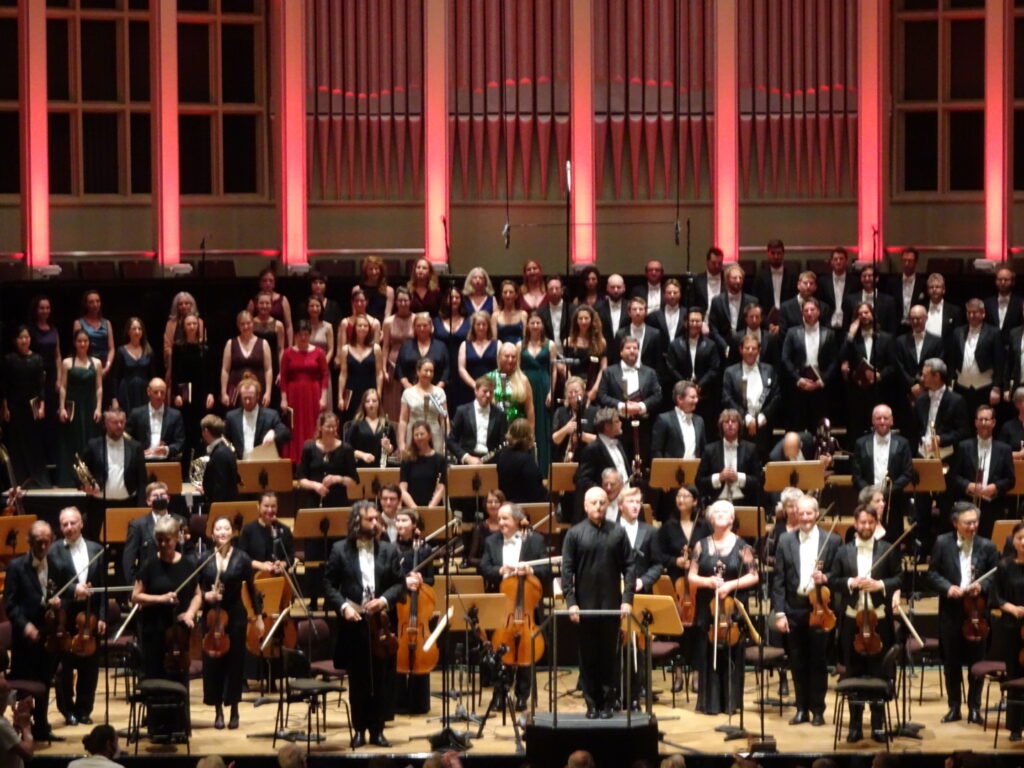
Paavo Järvi was to perform this Beethoven cycle in November 2020 but it was preempted until now for you know what reason. They performed Beethoven cycles in Salzburg, Tokyo and Beijing but strangely this is the first time that Järvi and the Deutsche Kammerphilharmonie does a live Beethoven cycle in Bremen. Järvi sealed his fate as a first-rate conductor with these Beethoven recordings and I’m very interested to see how it would be in their home turf, having already seen one concert of No.1 and 3 in Macau, the first stop of a China tour which culminated in the Beijing cycle.
I thought I knew how to describe my disappointment after the first half (First and Second) but after the intermission, Eroica was another matter. They were simply saving their energy for this “main dish”. This take-no-prisoners performance confirmed my belief in marking the time for some repertoire as the playing times often give me insights of the discrepancies between actual and psychological times. In 2019 I saw an Eroica played by Järvi’s old band, NHK Symphony. The conductor was a beloved laureate conductor of the orchestra, the then 92-year-old Blomstedt.
Several years prior the old old veteran also got on the wagon of taking Beethoven’s metronome figures seriously. That performance took only 45 minutes but with all repeats. Järvi’s performance tonight also included all repeats, it sounded much more vigorous than Blomstedt’s, but it took 49 minutes. Don’t be mistaken, I loved Blomstedt’s performance as well and he played it with a full string section, perhaps 60 strings, if not, then 50 strings. Yet Järvi had only about 35 strings and sounded much quicker than Blomstedt. In a nutshell, Blomstedt’s actual time was quick but he sounded relaxed and Järvi ostensibly took a race, but in fact he took his time. So why? I have three more concerts to delve into that.
Concert 2
As Paavo Järvi’s Beethoven cycle follows a strictly chronological order, after the first evening of three symphonies, this second evening of just Fourth and Fifth was the shortest. Perhaps because of that there were more empty seats than last night. Woe to those who skipped this because of the so-called money’s worth! Paavo Järvi showed that the Fourth was a bona fide extension of Beethoven’s symphonic path, and not “a Grecian beauty between two Nordic giants” (Schumann). It was of a smaller scale than Eroica, but thornier and more shocking. Paavo Järvi’s dynamic range was great and he paid utmost attention to the accents, agogics and syncopations, I’d say these are common traits of Järvi’s Beethoven but their application in the Fourth was still a surprise for me.
Never have I seen a conductor tackle the beginning of the Fifth with such assurance and cool-headedness than Paavo Järvi. There was no sudden down beat before the applause died down, nor was there any special gesture to smooth out the jaggy opening. Just a big downbeat, nothing else, and the players struck the fate motif, ferociously but accurately. About the discrepancy between psychological or perceived time and actual time, with the Fifth I’m now sure Paavo Järvi slowed down as the movement proceeds. He usually started at, or near Beethoven’s indicated metronome number, at that tempo he set the default intensity, phrasing and rhythm, and left a mark on the listeners’ mind that this is going to be quick. But then he relaxed the tempo so as to allow the music breathes some more and it also gets thicker. That way you don’t really feel the music got slower, nor would you think it is repetitive.
Basically all movements of the Fifth were done that way but the Finale was the best example. He started it as a stampede, quicker than Beethoven’s metronome markings, punctuating every note. And this is how Jaap van Zweden does it, which I hated. Yet during the da capo of that exact passage, Järvi already relaxed it a bit. Gradually the music got more and more swingy, in the end it became something like a dance, which explains or proves that the Fifth and Sixth, apparently on two extremes, are actually a pair. Paavo Järvi achieved a real symphonic quest from the manic to the frolic. I must say this is the best Beethoven Fifth I’ve heard, it’s entirely beyond my imagination. Even the final chords had so much variety that you’d be ready to throw away most of your record collection.
Concert 3
Third evening of Paavo Järvi’s Beethoven cycle in Bremen. As in the previous concerts the players needed some time to warm up, so the first movement of the Pastorale was a bit lacklustre, compared with the dazzling ending last night. But already in the second movement I felt Järvi’s insight in shaping the 12/8 rhythm. Yes he did it in four, but it was a very flexible four beats, often relaxed to allow the woodwinds to sing. I couldn’t remember any other performance of this Andante in which the woodwinds already sing like birds. Also this brook of Järvi didn’t flow in a straight line, I could feel the bends or the rushes. I knew the storm would be rendered in utmost precision but the musicality of the whole orchestra was quite unexpected, it never deteriorate into mayhem. As in the Fifth last night, the Finale swung its way to the end.
Oh boy, the opening chord of the Seventh never sounded as precise and loud! And it wasn’t just the first chord, throughout the Poco sostenuto I heard a barrage of such precise thunderbolts. That brings to mind a unique skill of Paavo Järvi. He knew how and when to ask for tenuto in the strings. He wouldn’t waste his string players’ stamina by asking all notes be played fully, but the really meaty accents and bangs must be played with enough bow and strength. The Vivace was a rare combination of smoothness, vitality and a massive sound. The conductor played the four movements without a break, this I think benefitted the listeners more than the players as our attention would be maintained. The ever-repeating Finale was played with an unimaginably wide array of minutely varying tempi and texture. The gear change was quite jaggy during the second half but it really added flavour to the obsessive music. Järvi was also able to pull off an ending that was gaining both in speed and volume, truly breathtaking until the end.
Concert 4
Everybody knows that the epitome of a Beethoven symphony cycle is the Ninth, but I was most eager to see if a HIP-influence group and conductor would finally play my favourite Eighth with Beethoven’s seemingly impossible metronome figures. I mostly gave up that hope since the first concert but I still expect Paavo Järvi would give us those special accents and phrasings that come only by acknowledging Beethoven’s tempi. Once again the first half was still warming up, but I guess most audience wouldn’t mind that for the neglected Eighth. I think Paavo Järvi, in this symphony, was too concerned with bringing out those accents, but failed to deliver the necessary intensity. The outer movements were so clean that the sense of risk was all but absent. Still, I was glad he conducted the finale one-in-a-bar (as Beethoven indicated, but most conductors prefer doing it in two), despite significantly slower than the metronome figure.
Surely the Ninth was what everybody was waiting for, there was almost an all-star quartet, but the chorus was quite behind the top-of-the-top standards of the orchestra and soloists. To their credit they never got too carried away and actually I prefer to hear more from the orchestra. In several instances of “Brüder!” Paavo Järvi stressed this word, and in very good taste, they were all very musical. To me, this call for brotherhood carries more meaning that substituting “Freude” for “Freiheit”. Taken as a whole, this Ninth was an anticlimax for me. The discoveries and freshness of the Third, Fifth, Seventh couldn’t continue onto the Ninth, although I must say this orthodox approach was still superbly delivered. Yet for me, this was the first time that I truly felt that this band was a chamber orchestra. In the previous nights there were simply too many titanic insights. Still, I feel blessed to regain in part the lost Beethoven year of 2020, and to hear the Ninth live after nearly three years.